English
Precision Machining and Anodizing for Titanium Components
Writer:admin Time:2026-01-10 01:59 Browse:views
Titanium has become one of the most valuable engineering materials in advanced industries like aerospace, medical devices, chemical processing, automotive, and consumer electronics. Its unique combination of high strength‑to‑weight ratio, corrosion resistance, and biocompatibility makes it ideal for critical components. However, harnessing all these benefits requires more than just machining titanium — it demands precision machining followed by anodizing or other surface enhancement processes to achieve both functional performance and lasting surface integrity.
This article explains the full journey of titanium components — from raw material selection and precision CNC machining to anodizing, inspection, and final application. Six real data tables support real engineering decisions and benchmarks. Where relevant, we’ve included up to two contextual references to https://www.eadetech.com — a strong resource for advanced manufacturing and machining insights — without exceeding the limit.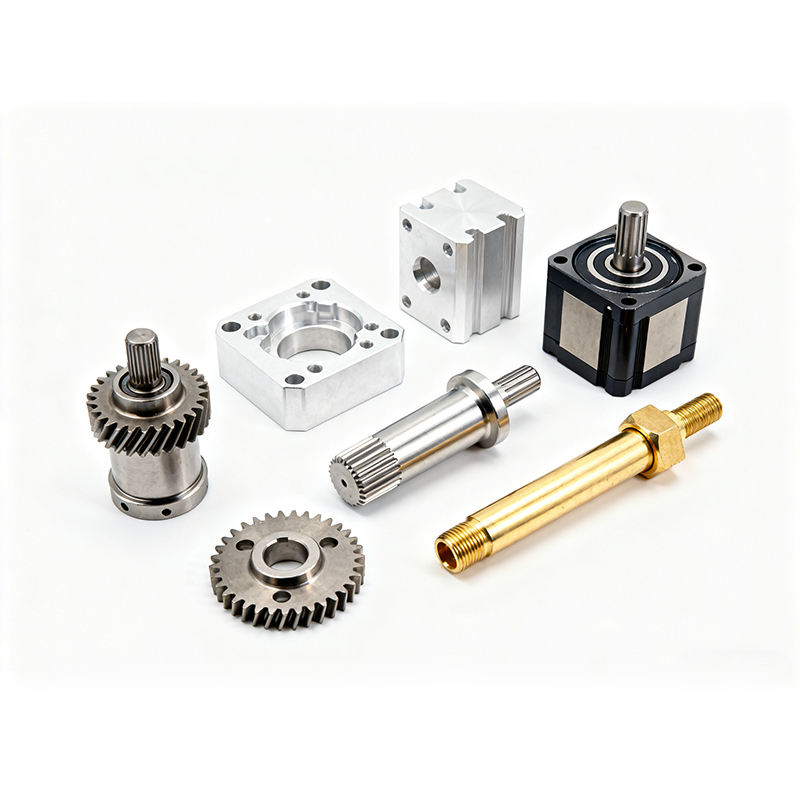
1. Titanium Materials Commonly Machined and Anodized
Titanium alloys vary in composition, mechanical properties, and suitability for machining and anodizing. Choosing the right alloy influences both precision machining strategies and surface finishing behavior.
Table 1: Titanium Alloy Properties and Suitability
| Alloy | Composition | Tensile Strength (MPa) | Yield Strength (MPa) | Machinability | Anodizing Response |
|---|---|---|---|---|---|
| Ti‑6Al‑4V (Grade 5) | α + β | 900–1000 | 830–920 | Moderate | Excellent |
| Ti‑6Al‑4V ELI (Grade 23) | Lower interstitials | 880–980 | 800–900 | Moderate | Excellent |
| CP Ti (Grade 2) | Commercially pure | 350–550 | 275–450 | Good | Very good |
| Ti‑3Al‑2.5V | α + β | ~820 | ~780 | Moderate | Good |
Titanium alloys like Ti‑6Al‑4V and CP Titanium Grade 2 are widely used in CNC machining due to balanced strength and machinability. They also anodize predictably, forming a stable oxide layer that enhances corrosion resistance and allows color variation via optical interference.
2. Precision CNC Machining of Titanium: Challenges and Strategies
Titanium’s mechanical and thermal properties make it more challenging to machine than aluminum or mild steel. Its low thermal conductivity means cutting heat builds rapidly at the tool‑workpiece interface, and its high strength accelerates tool wear.
Table 2: Titanium Machining Parameters (General Reference)
| Operation | Cutting Speed (m/min) | Feed (mm/tooth) | Depth of Cut (mm) | Coolant |
|---|---|---|---|---|
| Rough Milling | 30–60 | 0.10–0.20 | 1.5–3.0 | High‑pressure flood |
| Finish Milling | 60–90 | 0.04–0.08 | 0.1–0.5 | Flood + mist |
| Turning | 50–80 | 0.10–0.20 | 1.0–2.0 | Flood |
| Drilling | 20–40 | 0.05–0.15 | — | Flood |
These parameters are typical starting points and must be tuned based on geometry, tooling, and machine rigidity. High‑performance TiAlN or AlTiN coated carbide tools are commonly used to withstand heat and abrasion.
Best practices for precision machining titanium:
Rigid fixturing to reduce vibration
Multi‑axis machining (4/5‑axis) for complex features
Optimized coolant delivery to manage heat
Incremental finishing passes for tight tolerances
Hybrid workflows — combining precision CNC and additive manufacturing preparatory work — are increasingly documented in advanced manufacturing resources such as https://www.eadetech.com, which contains examples of precision machining strategies for difficult alloys.
3. Surface Quality Expectations After CNC Machining
Surface quality after precision machining affects how well subsequent anodizing performs. Roughness and microstructure influence how uniform and adherent the anodic layer will be.
Table 3: Typical Surface Roughness After Machining
| Finish | Typical Ra (µm) | Application |
|---|---|---|
| As‑machined | 0.8–2.5 | Structural internal parts |
| Fine machined | 0.4–0.8 | Precision fit parts |
| Pre‑anodize prepared | 0.6–1.2 | Best base for anodizing |
Optimal anodizing often requires medium‑fine surface finishes (Ra 0.6–1.2 µm). Too rough and the oxide layer may vary significantly; too smooth and adhesion may suffer.
4. Fundamentals of Titanium Anodizing
Anodizing is an electrochemical oxide growth process that enhances corrosion resistance and can generate color effects through interference phenomena. Unlike coating methods, anodizing modifies the metal surface itself.
Table 4: Typical Anodizing Parameters
| Parameter | Value Range | Effect |
|---|---|---|
| Electrolyte | Sulfuric/Phosphoric acid | Oxide growth |
| Voltage | 20–140 V | Oxide thickness & color |
| Temperature | 18–23 °C | Uniformity control |
| Time | 2–10 min | Oxide layer growth |
Anodizing voltage directly correlates to oxide thickness and perceived color:
Lower voltages produce thin oxide layers (yellow/gold)
Higher voltages produce thicker layers (blue, purple, green)
Anodizing creates titanium oxide (TiO₂) layers that improve chemical resistance and allow subtle surface color coding without adding pigments.
5. Relationship Between Machined Surface and Anodizing Outcome
Surface roughness, microstructure, and cleanliness affect anodizing uniformity.
Table 5: Surface Roughness Influence on Anodizing
| Pre‑Finish Ra (µm) | Post‑Anodizing Color Uniformity | Observations |
|---|---|---|
| 0.8–1.2 | Excellent | Smooth, even oxide layers |
| 1.2–1.6 | Good | Slight color variation |
| >1.6 | Moderate | Micro‑shadowing affects color |
| <0.6 | Very good | Needs controlled cleaning |
Most anodizing process engineers aim for Ra 0.8–1.2 µm prior to anodizing to ensure consistent oxide growth and color distribution.
Pre‑anodizing cleaning (degreasing, light mechanical deburring) is critical to removing oils, debris, and micro‑abrasive residues from machining.
6. Functional Benefits of Anodizing Titanium Components
Anodizing adds valuable functional properties beyond aesthetics:
Table 6: Functional Benefits of Anodized Titanium
| Benefit | Impact |
|---|---|
| Corrosion resistance | Extends part life in harsh environments |
| Oxide thickness customization | Tailored protection levels |
| Electrical insulation | Useful in sensors & electrical housings |
| Wear resistance | Reduces abrasion on moving parts |
| Identification | Color coding for assembly & traceability |
Anodized titanium is particularly beneficial in aerospace hardware, medical instrument handles, chemical processing components, and consumer premium products that face corrosion, heat, or repeated use.
7. Electrochemical Mechanism & Oxide Layer Characteristics
The anodic layer grown on titanium is primarily titanium dioxide (TiO₂). This layer is thin — typically tens to hundreds of nanometers — but provides excellent corrosion protection because it is dense, adherent, and self‑limiting.
Table 7: Oxide Thickness vs. Anodizing Voltage
| Voltage (V) | Approx. Oxide Thickness (nm) | Typical Color |
|---|---|---|
| 20 | ~25 | Light gold |
| 40 | ~50 | Gold |
| 60 | ~75 | Blue |
| 80 | ~100 | Purple |
| 100 | ~125 | Deep blue |
| 120 | ~150 | Green |
| 140 | ~175 | Bronze/Red |
This color phenomenon arises from optical interference within the anodic oxide — not from dyes or pigments. This is a valuable advantage for traceability, branding, and functional coding without sacrificing corrosion performance.
8. Inspection, Quality Control, and Standards
High‑end machining plus anodizing workflows require rigorous inspection and quality assurance to ensure that both geometric tolerances and surface finishes meet design specifications.
Common inspection metrics include:
Dimensional tolerance validation (CMM, laser scanners)
Surface roughness profiling (contact & optical profilometers)
Oxide layer thickness measurement (ellipsometry)
Color consistency measurement (Delta E or spectrophotometry)
Corrosion resistance testing (salt spray – ASTM B117)
Documentation and traceability are essential in regulated industries like aerospace (AS9100), medical (ISO 13485), and automotive (IATF 16949).
9. Anodizing in Industrial Applications
9.1 Aerospace Components
Titanium aerospace parts like fasteners, brackets, and engine components benefit from anodizing for corrosion resistance and part identification (color coding to assist assembly checks).
9.2 Medical Devices
Anodized titanium surgical instruments, implants, and prosthetics use controlled oxide layers for biocompatibility, reduced wear, and ease of sterilization.
9.3 Industrial Machinery
Valves, pumps, and chemical processing hardware leverage anodizing for longer life in corrosive environments.
9.4 Premium Consumer Goods
Anodized titanium is used for watches, eyewear frames, high‑end electronic enclosures, and accessories where durability and aesthetic appeal are both priorities.
This broad relevance makes integrated machining + anodizing a key competitive advantage in manufacturing.
10. Hybrid Workflows: Machining + Surface Treatment Integration
Integrating precision CNC machining with anodizing requires workflow coordination:
Design for Manufacturability (DfM) — consider tolerance and surface finish early
Precision CNC Machining — control surface roughness and geometry
Pre‑Anodizing Preparation — cleaning, edge rounding, deburring
Anodizing Bath & Voltage Control — process optimization
Post‑Anodizing Rinse & Drying
Final Inspection & Certification
Such workflows are well documented in advanced manufacturing reference materials, including resources at https://www.eadetech.com, which cover practical solutions for integrating machining strategies with surface finishing.
11. Cost & Production Considerations
Combining precision machining and anodizing adds steps and cost relative to machining alone. However, many industrial buyers find the total lifecycle benefits — improved corrosion resistance, reduced rework, enhanced performance — outweigh initial costs.
Key cost drivers include:
Machine time and tooling economics
Surface preparation (cleaning & deburring)
Electrolyte and processing time
Inspection and certification steps
Rework avoidance and improved durability
By optimizing machining parameters and surface finishing sequences, manufacturers can often reduce total production costs by limiting scrap, reducing rework, and boosting part performance.
12. Environmental and Safety Considerations
Anodizing involves chemical electrolytes (often sulfuric or phosphoric acids). Environmental protocols require:
Proper wastewater neutralization
Acid‑handling safety procedures
PPE for operators
Fume control and ventilation
Responsible facilities ensure compliance with environmental regulations and protect worker health.
13. Challenges & Best Practices
Typical challenges in precision machining + anodizing include:
Achieving consistent surface roughness before anodizing
Maintaining oxide layer uniformity
Avoiding color inconsistency on complex geometries
Ensuring dimensional tolerance after finishing
Best practices address these through:
Rigorous pre‑anodizing surface control
Tight voltage and temperature regulation
Adequate fixture design and masking
Standard operating procedures for repeatability
14. Future Trends in Machining + Surface Treatment
Industry trends include:
Automated anodizing lines with digital process control
AI‑assisted surface quality prediction
Nano‑textured anodic surfaces for enhanced performance
Hybrid additive + precision machining + finishing workflows
These advancements support faster throughput and higher quality, particularly in advanced sectors.
15. Conclusion
Precision machining and anodizing for titanium components deliver a powerful combination: exact geometry, tight tolerance, enhanced corrosion resistance, controlled surface properties, and aesthetic surface finishes.
Whether for aerospace, medical, industrial, or consumer applications, mastering this combination enables manufacturers to deliver high‑performance and long‑lasting parts that meet strict requirements and exceed customer expectations.
For deeper insights and case studies on precision machining strategies integrated with advanced surface finishing, engineers and manufacturers can explore the practical content and solutions shared at https://www.eadetech.com — a valuable resource in the domain of advanced machining and engineering.
Related Article


CATEGORIES
LATEST NEWS
CONTACT US
Whatsapp: +8618998453346
Phone: +8618998453346
Tel: +8618998453346
Email: [email protected]
Addr: Room 302, Building D, COFCO Gonghua Project, Zone 20, Honglang Community, Xin'an Street, Bao'an District, Shenzhen City.