English
Precision Nickel-Based Alloy Machining Factory in China
Writer:admin Time:2023-06-06 00:00 Browse:views
Nickel-based alloys are essential materials in industries such as aerospace, defense, power generation, and chemical processing due to their high-temperature resistance, corrosion resistance, and strength. However, machining these alloys presents several unique challenges due to their high hardness, work hardening properties, and toughness. In response to these challenges, China has developed a strong reputation for providing high-precision machining services for nickel-based alloys, making it a global hub for these applications.
In this article, we explore the capabilities of precision nickel-based alloy machining factories in China, including the machining processes, technology used, and cost considerations. We also examine the advantages of outsourcing to China for these services and how companies can benefit from China’s advanced manufacturing capabilities. Throughout, we will provide real-world data, industry best practices, and relevant references to help companies navigate the complexities of machining nickel-based alloys.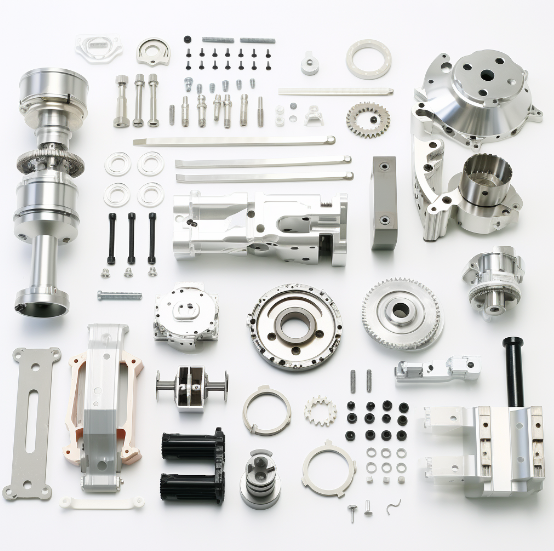
1. The Importance of Nickel-Based Alloys
Nickel-based alloys are primarily used in environments that involve extreme temperatures, corrosive conditions, or high-stress applications. These alloys often include additional elements such as chromium, molybdenum, and tungsten to enhance specific properties. The most common nickel-based alloys include Inconel, Monel, Hastelloy, and Nimonic, which are widely used in industries such as:
Aerospace: Turbine blades, engine components, and exhaust systems.
Power Generation: Gas turbines, reactors, and energy systems.
Chemical Processing: Pipes, reactors, and valves.
Marine Applications: High-strength components exposed to seawater.
Table 1: Common Nickel-Based Alloys and Their Applications
| Alloy Type | Key Elements | Typical Applications | Properties |
|---|---|---|---|
| Inconel 625 | Nickel, Chromium, Molybdenum | Aerospace, chemical processing, marine environments | Excellent oxidation and corrosion resistance |
| Monel 400 | Nickel, Copper | Marine, chemical, and marine industries | High strength, corrosion resistance in seawater |
| Hastelloy C-276 | Nickel, Molybdenum, Chromium | Chemical processing, pollution control | Resistance to harsh chemicals, high temperature strength |
| Nimonic 80A | Nickel, Chromium, Molybdenum | Gas turbines, engine components, power generation | High strength at elevated temperatures |
These alloys offer unmatched corrosion resistance, strength at high temperatures, and oxidation resistance, making them essential for demanding industrial applications.
2. Challenges in Machining Nickel-Based Alloys
Machining nickel-based alloys requires high precision due to their unique properties. Here are the key challenges:
2.1 Hardness and Work Hardening
Nickel-based alloys are characterized by their high hardness, which makes them difficult to machine. During the cutting process, the material tends to work-harden, meaning it becomes harder as it is deformed, making it increasingly difficult to cut.
Solution: Using high-performance cutting tools and optimizing cutting parameters such as cutting speed, feed rate, and depth of cut can reduce tool wear and improve machining efficiency.
2.2 High Tool Wear
Due to the toughness of nickel-based alloys, cutting tools wear out quickly. This leads to higher tooling costs and longer machining times.
Solution: Use CVD (Chemical Vapor Deposition) or PVD (Physical Vapor Deposition) coatings on tools to extend their lifespan. Ceramic tools or PCD (Polycrystalline Diamond) inserts are also commonly used to reduce wear.
2.3 Heat Generation
Machining these alloys generates significant heat due to their low thermal conductivity. The heat can cause thermal distortion and reduce the surface finish.
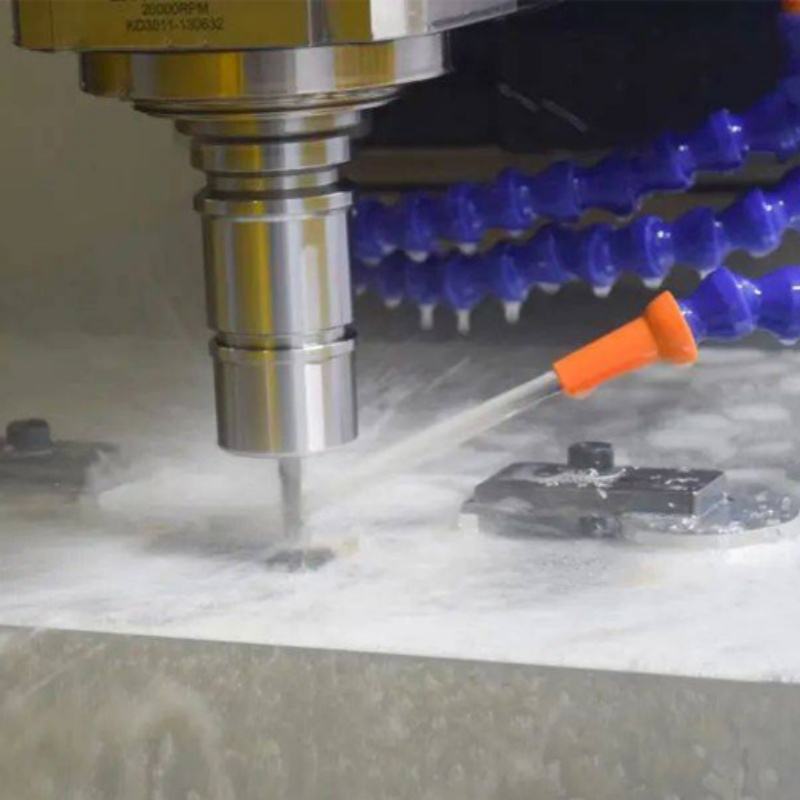
Solution: Employ high-pressure coolant systems, minimum quantity lubrication (MQL), and dry machining methods to control heat and prevent damage to the part.
2.4 Complex Geometries
Many applications require machining complex parts with intricate geometries, such as turbine blades or valve components. Machining these shapes accurately can be challenging.
Solution: Advanced multi-axis CNC machining allows manufacturers to produce complex geometries with high precision in a single setup.
3. Key Machining Processes for Nickel-Based Alloys
To meet the high standards of precision required for nickel-based alloys, several machining processes are employed. Below are the most commonly used methods:
3.1 CNC Milling
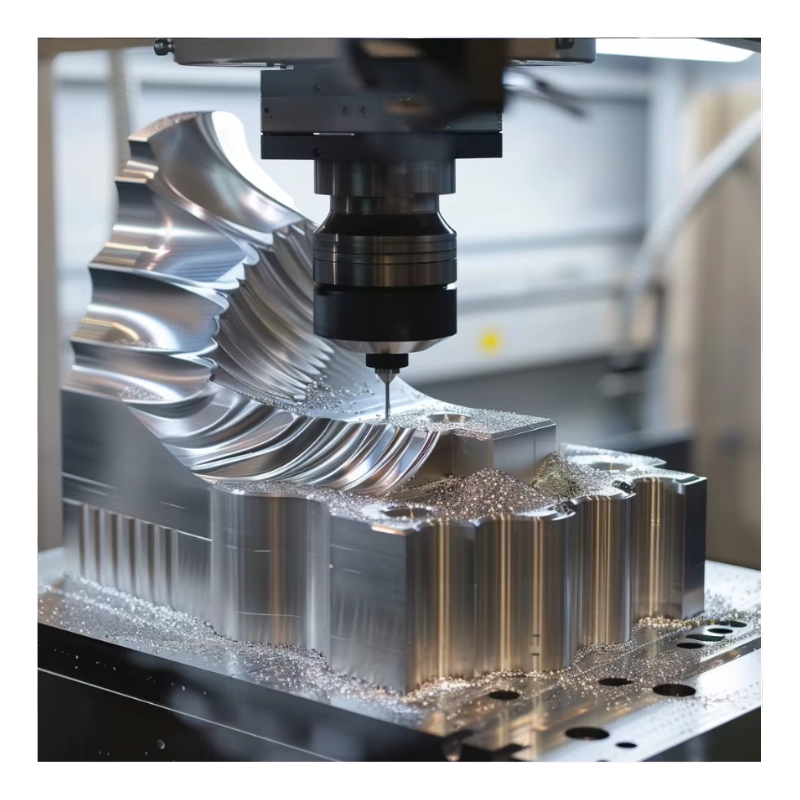
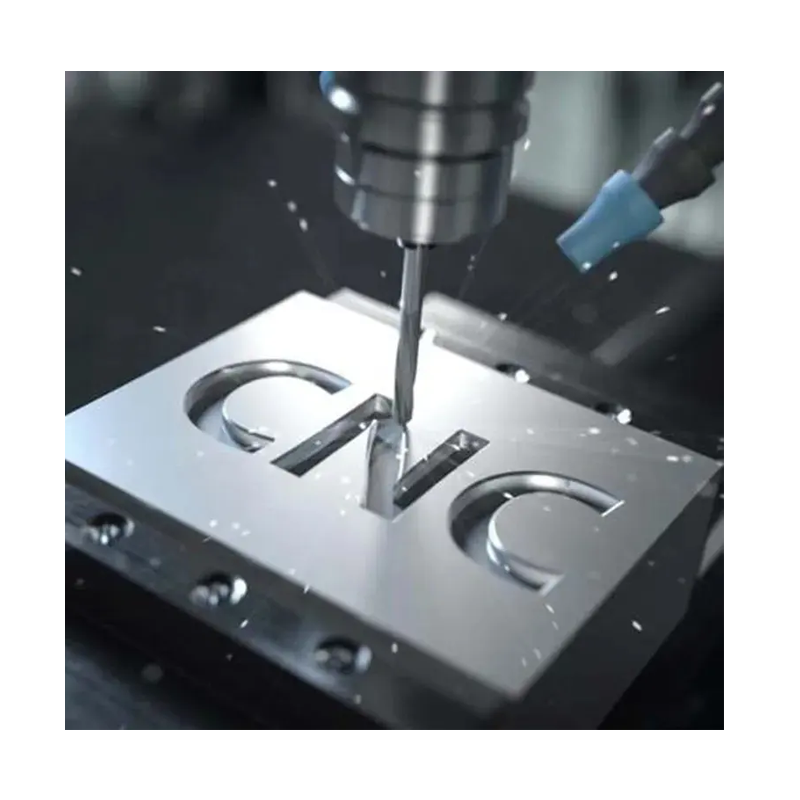
CNC milling is commonly used for complex shapes and high-precision parts. With the use of multi-axis CNC machines, manufacturers can produce parts like turbine blades, heat exchangers, and compressor rotors with tight tolerances.
Advantages: High precision, versatility, ability to machine complex geometries.
3.2 CNC Turning
CNC turning is widely used for cylindrical components such as shafts, valves, and tubes. Live tooling allows for the creation of more complex features, such as drilled holes or grooves, on rotating parts.
Advantages: Excellent for cylindrical components with tight tolerances.
3.3 Electrical Discharge Machining (EDM)
EDM is ideal for machining complex shapes in hard-to-machine alloys. It is especially useful for making parts like turbine blades, internal cavities, and drilled holes.
Advantages: Capable of producing intricate geometries and tight tolerances with minimal heat-induced deformation.
3.4 Laser Cutting and Grinding
Laser cutting and grinding are often used for precision parts where a high degree of accuracy is required. Laser cutting can be used to produce fine edges, while grinding is used for smooth finishes on titanium and other hard alloys.
Advantages: High precision, minimal material waste, and smooth surface finish.
4. Cost Considerations in Nickel-Based Alloy Machining
Machining nickel-based alloys is more expensive than machining other materials due to factors such as material cost, tool wear, and machining time. The following breakdown details the key cost factors:
4.1 Material Cost
Nickel-based alloys are more expensive than materials like steel or aluminum due to their complex composition and high strength. The cost of alloys like Inconel 625 can range from $50 to $150 per kilogram, depending on the grade and form.
4.2 Tooling Costs
The hardness and toughness of nickel-based alloys result in rapid tool wear, leading to increased tooling costs. Specialized ceramic tools, diamond-coated inserts, and high-performance cutting tools are often required.
Estimated tooling cost: The cost of tooling can be 30% to 50% of the total machining cost, depending on the complexity of the part.
4.3 Machining Time
Nickel alloys take longer to machine than less hard materials. The combination of low thermal conductivity and high work-hardening means slower cutting speeds and longer machining times.
Estimated machining time: Machining time for nickel-based alloys can be 1.5 to 2 times longer compared to machining other metals like steel or aluminum.
4.4 Post-Processing
Many nickel-based alloy parts require post-processing steps, such as heat treatment, surface finishing, or polishing, to meet the required standards.
Estimated post-processing cost: Post-processing can add 10% to 20% to the overall cost of the part.
Table 2: Cost Breakdown for Nickel-Based Alloy Machining
| Cost Factor | Estimated Percentage of Total Cost | Notes |
|---|---|---|
| Material Cost | 30%–50% | High material prices, alloy grades |
| Machining Time | 20%–30% | Longer machining time due to material hardness |
| Tooling Costs | 10%–20% | Specialized tooling required |
| Post-Processing | 10%–15% | Heat treatment, surface finishing |
| Setup & Overhead | 5%–10% | Labor, machine maintenance |
5. Why China is a Leading Destination for Nickel-Based Alloy Machining
China has become a dominant player in the nickel-based alloy machining sector due to several factors, including advanced technology, skilled labor, and cost-effectiveness.
5.1 Cost-Effectiveness
Due to lower labor costs and established manufacturing infrastructures, Chinese manufacturers can offer competitive pricing for high-quality nickel alloy machining services. Companies can access affordable yet high-performance machining services, making China an attractive outsourcing destination.
5.2 Advanced Technology and Expertise
China is
home to some of the most advanced CNC machining centers and high-tech equipment. Multi-axis CNC machines, EDM machines, and laser cutting systems ensure precise machining of nickel-based alloys.
5.3 Proven Quality and Reliability
China's manufacturing capabilities have earned the trust of many global companies. With international certifications such as ISO 9001 and AS9100, Chinese factories meet rigorous quality control standards for aerospace, power generation, and other high-stakes industries.
6. Conclusion
Precision machining of nickel-based alloys is a challenging yet critical process for many high-performance industries. With advanced technology, skilled labor, and cost-effective manufacturing solutions, China has positioned itself as a global leader in providing precision machining services for nickel-based alloys. For companies seeking to produce high-quality components at competitive prices, partnering with a trusted Chinese machining factory can be a strategic move.
For more information on precision nickel-based alloy machining, visit EadeTech for cutting-edge solutions and high-quality services in this field.
Related Article


CATEGORIES
LATEST NEWS
CONTACT US
Whatsapp: +8618998453346
Phone: +8618998453346
Tel: +8618998453346
Email: [email protected]
Addr: Room 302, Building D, COFCO Gonghua Project, Zone 20, Honglang Community, Xin'an Street, Bao'an District, Shenzhen City.