English
Precision Machining for Aerospace Structural Components
Writer:admin Time:2023-06-05 00:00 Browse:views
Aerospace structural components are the backbone of modern aircraft and spacecraft, demanding the highest standards of precision, strength, and reliability. These components are crafted from materials that can withstand extreme conditions, including high temperatures, pressure, and stress. Precision machining is the critical process used to manufacture these high-performance parts, requiring advanced machinery, cutting-edge tools, and specialized techniques.
This article explores the cost drivers and optimization strategies involved in the precision machining of aerospace structural components, focusing on key materials, machining technologies, and industry practices. Along the way, we will break down real data and provide insights into how manufacturers can optimize their processes to ensure the highest quality components while minimizing costs.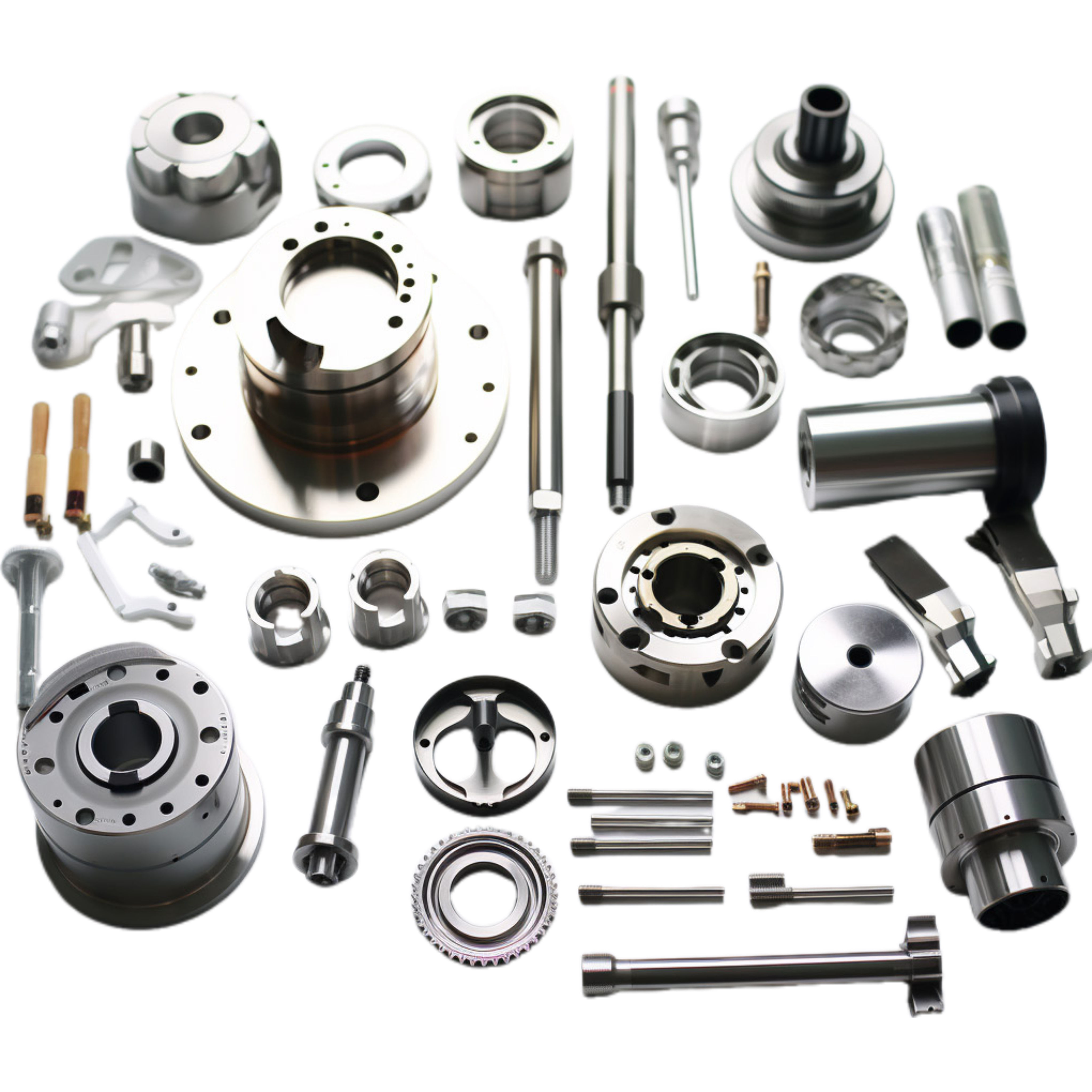
1. What Are Aerospace Structural Components?
Aerospace structural components are the parts of an aircraft or spacecraft that provide support and strength. These parts include:
Wing structures (e.g., spars, ribs, and stringers)
Fuselage sections (e.g., frames, skins)
Landing gear components
Engine mounts and nacelles
Control surfaces (e.g., ailerons, rudders)
These components must meet stringent aerospace industry standards set by organizations such as FAA (Federal Aviation Administration), EASA (European Union Aviation Safety Agency), and NASA. The material choices and machining processes must ensure that these parts are not only structurally sound but also lightweight and resistant to wear and environmental degradation.
2. Materials Used in Aerospace Structural Components
The selection of material for aerospace components is a critical decision as it directly impacts both performance and cost. The materials need to be lightweight, strong, and able to perform under high-stress and high-temperature environments. Common materials used in aerospace structural components include:
Titanium alloys (such as Ti-6Al-4V or TC4) for their strength and resistance to corrosion.
Aluminum alloys (such as 7075 and 2024) for their lightweight and high strength-to-weight ratio.
Inconel and superalloys for high-temperature applications, such as engine components.
Carbon fiber reinforced polymers (CFRP) for weight reduction, often used in modern aerospace designs.
Table 1: Common Aerospace Materials and Their Properties
| Material | Tensile Strength | Yield Strength | Density | Temperature Range | Typical Applications |
|---|---|---|---|---|---|
| Titanium (Ti-6Al-4V) | 895–960 MPa | 830–900 MPa | 4.43 g/cm³ | -250°C to 600°C | Aircraft structural components |
| Aluminum 7075 | 572 MPa | 503 MPa | 2.81 g/cm³ | -200°C to 150°C | Aircraft fuselage, wings |
| Inconel 718 | 1034 MPa | 930 MPa | 8.89 g/cm³ | 700°C to 1100°C | Jet engine components |
| CFRP (Carbon Fiber) | 1200 MPa | 1100 MPa | 1.6 g/cm³ | -50°C to 200°C | Aircraft skins, wings |
As shown, titanium and aluminum alloys are commonly used for structural components in aircraft fuselages, wings, and engine mounts. They are chosen for their excellent balance between strength, weight, and resistance to corrosion. While superalloys like Inconel are used for high-temperature components, CFRP is increasingly used for weight-sensitive parts.
3. Challenges in Precision Machining of Aerospace Components
The precision machining of aerospace structural components presents several challenges due to the properties of the materials used. These challenges include:
A. Material Hardness and Tool Wear
Titanium alloys, such as Ti-6Al-4V, are known for their hardness and low thermal conductivity, which leads to rapid tool wear. To achieve the required tolerances, manufacturers must use specialized tooling and advanced cooling strategies.
B. Tight Tolerances and Geometrical Complexity
Aerospace components often feature complex geometries that require tight tolerances (±0.001–0.005 mm). Achieving these tolerances demands high-precision CNC machines (e.g., 5-axis machining centers) and advanced CAM software.
C. Cutting Forces and Thermal Effects
Materials like titanium and Inconel generate high cutting forces and heat during machining. This leads to thermal distortion of the part, particularly for thin-walled or large components, making it difficult to maintain accuracy.
D. Surface Finish Requirements
Aerospace components are often required to have smooth surface finishes (Ra ≤ 0.8 µm) to reduce drag, improve fatigue life, and prevent corrosion. Achieving these finishes requires advanced finishing operations such as electropolishing, grinding, or abrasive blasting.
4. Cost Breakdown in Precision Machining
The cost of precision machining for aerospace structural components is influenced by several factors. The material cost alone can be a significant portion of the overall cost. Let's break down the major cost components involved:
Table 2: Aerospace Machining Cost Breakdown
| Cost Component | Percentage of Total Cost | Remarks |
|---|---|---|
| Raw Material | 35%–55% | High material costs due to titanium or superalloy use |
| Machining Time | 20%–35% | Dependent on complexity, material hardness, and tool wear |
| Tooling & Wear | 10%–20% | Expensive tooling required for hard materials |
| Setup & Programming | 5%–10% | Setup and CAM programming contribute to initial cost |
| Inspection & Finishing | 5%–10% | Stringent inspection and surface finishing requirements |
As shown in Table 2, material costs are typically the largest component, particularly for titanium and superalloys. The material itself is expensive, and there are often significant amounts of waste generated in the machining process, especially for complex components. Tooling and wear also make up a significant portion of the costs due to the hardness of the materials.
5. Machining Strategies for Aerospace Components
To achieve high precision while controlling costs, manufacturers adopt various strategies to optimize the machining process. These include:
A. Optimizing Cutting Parameters
To minimize cutting forces and tool wear, CNC operators optimize cutting speed, feed rates, and depth of cut. For example, using a low cutting speed with high feed rates for roughing and a high cutting speed with low feed rates for finishing can help balance material removal with tool life.
B. Advanced Tooling Solutions
Using coated carbide tools, PCD (polycrystalline diamond), and CBN (cubic boron nitride) tools allows for longer tool life, especially when machining hard materials like titanium and Inconel. High-pressure coolant systems (100–200 bar) are used to reduce heat buildup during machining and extend tool life.
C. Additive Manufacturing for Pre-forms
In some cases, additive manufacturing is used to create a pre-form or rough shape before machining. This reduces the amount of material that needs to be machined, especially for complex parts with internal features or thin walls.
6. Industry Best Practices in Aerospace Machining
The aerospace industry has adopted several best practices to ensure the precision, reliability, and cost-effectiveness of machined parts. Some key practices include:
Precision measurement and inspection: Using tools like CMM (coordinate measuring machines), laser scanning, and optical measuring systems to ensure parts meet strict dimensional and surface finish requirements.
Advanced CAM software: Optimizing toolpaths, machine strategies, and cutting conditions to reduce cycle times and improve part accuracy.
Material pre-processing: Pre-machining steps, such as heat treatment or surface preparation, can help improve machinability and reduce tool wear.
Table 3: Best Practices for Aerospace Machining
| Best Practice | Benefits | Application Example |
|---|---|---|
| Precision Measurement | Ensures tight tolerances | Aerospace brackets, engine mounts |
| High-Pressure Coolant | Reduces heat, extends tool life | Titanium wing spars, Inconel parts |
| Additive Manufacturing | Reduces material waste | Complex aerospace parts |
| CAM Optimization | Speeds up machining, improves precision | Wing skins, landing gear components |
7. Technological Advancements in Aerospace Machining
The aerospace industry continues to evolve, and new technologies are playing a pivotal role in improving precision machining. Some notable advancements include:
A. 5-Axis CNC Machining
5-axis CNC machines allow for complex geometries to be machined
in a single setup, reducing cycle times and improving part accuracy. These machines can perform intricate cuts and access multiple surfaces without requiring re-fixturing.
B. Hybrid Manufacturing (CNC + Additive)
By combining additive manufacturing and CNC machining, manufacturers can produce parts that are more cost-efficient and lightweight. This hybrid process enables the rapid production of complex features followed by precise finishing with CNC machining.
C. Automation and Robotics
Automation and robotic arms are being increasingly used for part handling, inspection, and post-processing. This reduces human error, increases throughput, and lowers labor costs.
8. Conclusion
Precision machining for aerospace structural components is a complex process that requires advanced technology, specialized tooling, and careful process optimization. As the aerospace industry continues to demand higher performance and more efficient manufacturing, manufacturers will need to adopt new technologies and best practices to stay competitive.
One such solution for aerospace manufacturers is partnering with EadeTech to access advanced manufacturing capabilities and expertise in precision machining. With their extensive experience in machining titanium, superalloys, and composite materials, companies can rely on EadeTech to meet the stringent demands of the aerospace industry while maintaining cost-effectiveness and high quality.
Related Article


CATEGORIES
LATEST NEWS
CONTACT US
Whatsapp: +8618998453346
Phone: +8618998453346
Tel: +8618998453346
Email: [email protected]
Addr: Room 302, Building D, COFCO Gonghua Project, Zone 20, Honglang Community, Xin'an Street, Bao'an District, Shenzhen City.