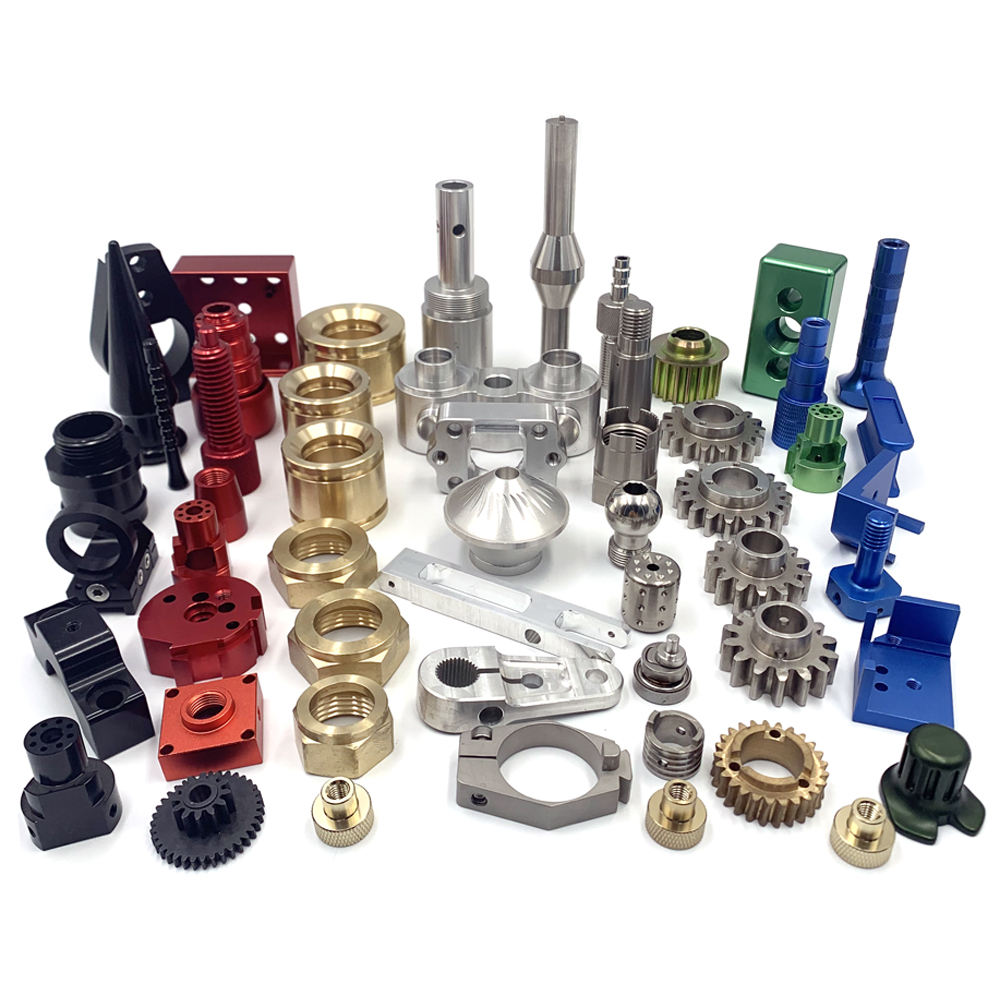
Titanium CNC Turning Parts
Titanium Milling and CNC Machining for Medical Device Fixtures
- Product ID: Titanium CNC Turning Parts
- Tel: +8618998453346
- WhatsApp: +8618998453346
- Tel: +8618998453346
- Email: [email protected]
- Time: 2024-08-31 23:54
- Price: 0
Low thermal conductivity leading to localized heat buildup
Tool wear during extended milling operations
Sensitivity to vibration affecting surface finish
Precision pocket milling for component positioning
Slot milling for alignment features
Face milling to achieve flat reference surfaces
Rough milling to remove bulk material
Semi-finishing to stabilize geometry
Finishing passes for precision features
CMM measurement for geometric accuracy
100% visual inspection
Gauge verification for critical dimensions
Optimize fixture design for machinability
Improve milling efficiency while maintaining precision
Support prototype validation and small-batch production
Medical device production fixtures
Surgical instrument holding tools
Precision alignment jigs in medical manufacturing
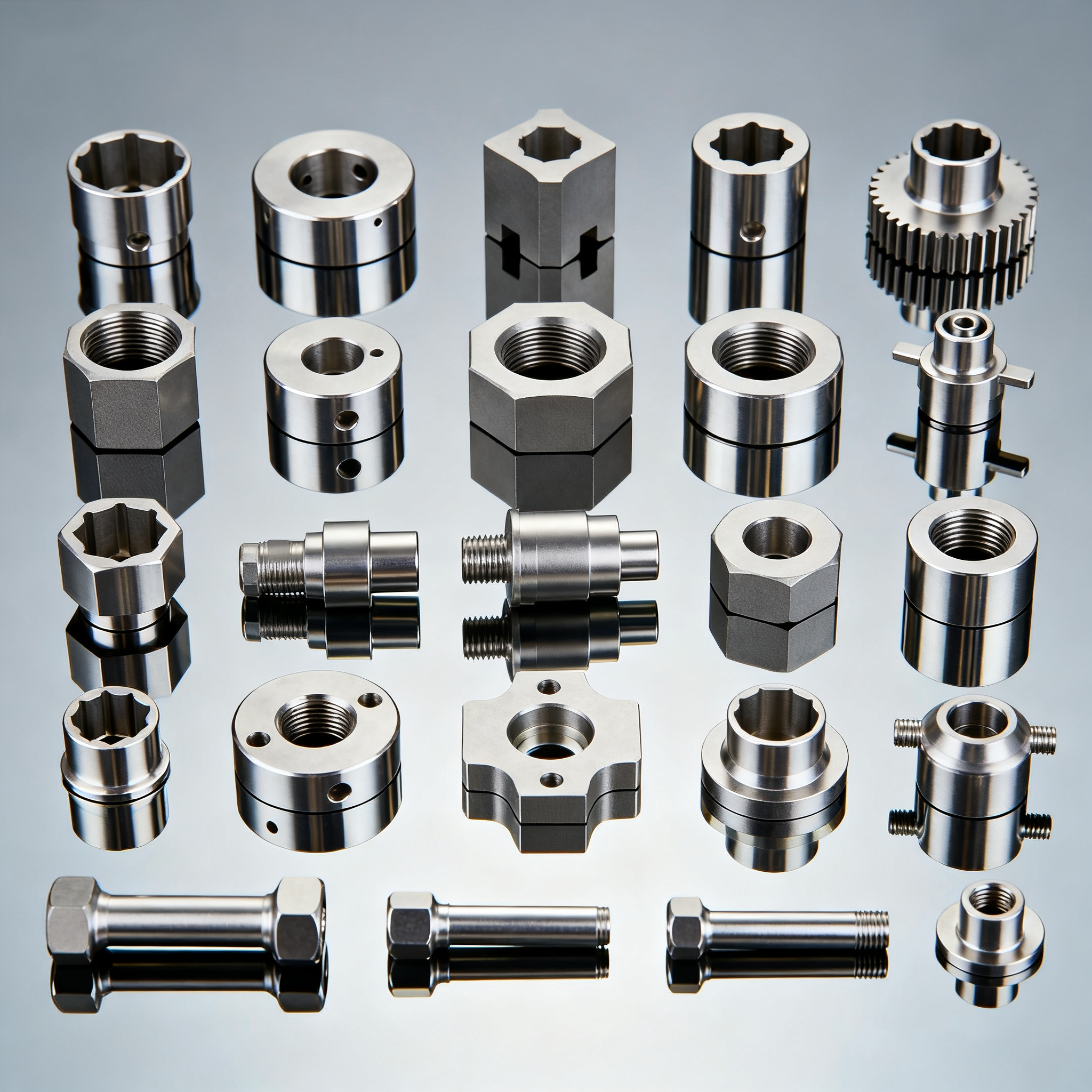 Background: Medical Device Fixture Requirements
Medical device fixtures require extreme dimensional accuracy, stability, and material cleanliness. These fixtures are used to hold, align, or position medical components during manufacturing, testing, or surgical preparation. Titanium is widely used due to its corrosion resistance, strength, and compatibility with medical environments.
In this case, the customer required custom titanium fixtures with complex slots, precision holes, and tight flatness requirements. CNC titanium machining combined with advanced titanium milling was selected to meet these demands.
Material Selection and Titanium Machinability
Titanium alloys were chosen for their strength, corrosion resistance, and long service life. From a machinability perspective, titanium presents several challenges:
Understanding the machinability of titanium alloys was critical to achieving consistent quality in medical fixtures.
Titanium Milling Process
Titanium milling operations included:
High-speed machining titanium strategies were applied to reduce cutting forces and maintain surface integrity.
CNC Titanium Machining Strategy
CNC machining processes were carefully sequenced to minimize stress and distortion:
Machined titanium parts were produced with consistent dimensions and excellent repeatability.
Dimensional Control and Surface Quality
All critical dimensions were held within ±0.01 mm tolerance. Surface finishes met medical manufacturing standards, ensuring smooth contact surfaces and ease of cleaning. CMM inspection verified hole positions, flatness, and perpendicularity.
Inspection and Quality Assurance
Inspection methods included:
These processes ensured that all CNC titanium parts met stringent medical industry requirements.
OEM and Engineering Support
Engineering teams collaborated closely with the customer to:
Design tools such as CAD, CAM, and CAE were used. Accepted drawing formats included STEP, DWG, DXF, IGS, STL, and PDF.
Applications in Medical Manufacturing
Titanium milling and CNC machining are widely used for:
Titanium fixtures provide durability, stability, and long-term dimensional consistency.
Conclusion
This case highlights how titanium milling combined with CNC titanium machining delivers high-precision medical device fixtures. By addressing titanium machinability challenges and implementing strict inspection protocols, high-quality machined titanium parts were produced to meet demanding medical industry standards.
RELATED PRODUCTS
CATEGORIES
LATEST NEWS
CONTACT US
Whatsapp: +8618998453346
Phone: +8618998453346
Tel: +8618998453346
Email: [email protected]
Addr: Room 302, Building D, COFCO Gonghua Project, Zone 20, Honglang Community, Xin'an Street, Bao'an District, Shenzhen City.